Rhinoplasty for Indian Noses: Thick Skin, Bulbous Tips and Realistic Results
Rhinoplasty for Indian noses requires an individualised approach that considers nasal anatomy, skin thickness, facial proportions and the patient's aesthetic goals. For people who want a more refined nasal tip, a balanced profile or improved nasal breathing, understanding these factors can help set realistic expectations before surgery.
At Resplendent Aesthetics, Delhi, patients considering rhinoplasty can benefit from a personalised consultation to understand the surgical options appropriate for their anatomy and concerns.
What Makes Rhinoplasty Different for Every Nose?
There is no single nose shape or surgical technique that suits everyone. Nasal structure varies from person to person, including the thickness of the skin, the strength and shape of the cartilage, the width of the nasal base and the underlying bone structure.
In some patients, the skin and soft tissue around the nasal tip may be relatively thick. This can influence how clearly the underlying cartilage changes become visible after surgery. For this reason, rhinoplasty planning should focus on the individual's anatomy rather than following a standardised nose shape.
The goal is to achieve a result that complements the patient's facial features while maintaining appropriate nasal function.
Can Rhinoplasty Refine a Bulbous Nose?
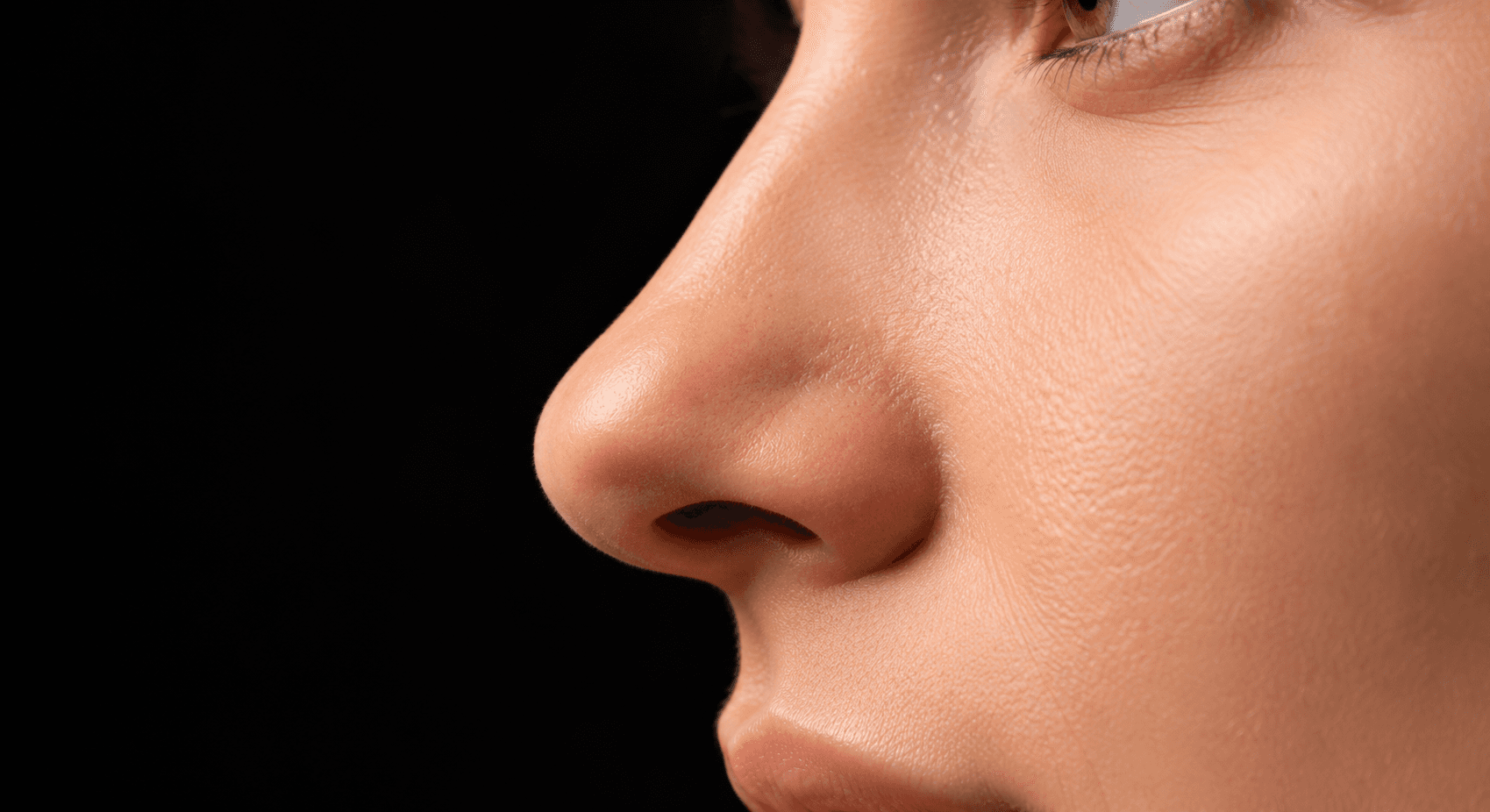
A bulbous nasal tip may appear rounded, broad or less defined. Its appearance can be influenced by the shape of the cartilage, the thickness of the overlying skin and the distribution of soft tissue.
Rhinoplasty may help refine the nasal tip by modifying the underlying cartilage and, when appropriate, other structural components. However, the degree of refinement depends on the patient's anatomy.
Thicker skin can limit the visibility of subtle structural changes. Patients should therefore understand that surgery may improve tip definition without necessarily producing an extremely sharp or sharply sculpted appearance.
A consultation with a qualified plastic surgeon helps determine what changes are realistic and appropriate.
How Does Thick Skin Affect Rhinoplasty Results?
Skin thickness is an important consideration during rhinoplasty planning. Thicker skin may conceal some of the definition created by changes to the underlying nasal framework. It may also influence the rate at which swelling settles and the final appearance becomes apparent.
This does not automatically mean that a patient with thick nasal skin is unsuitable for rhinoplasty. Instead, the surgical plan must account for the relationship between the skin, cartilage and overall nasal structure.
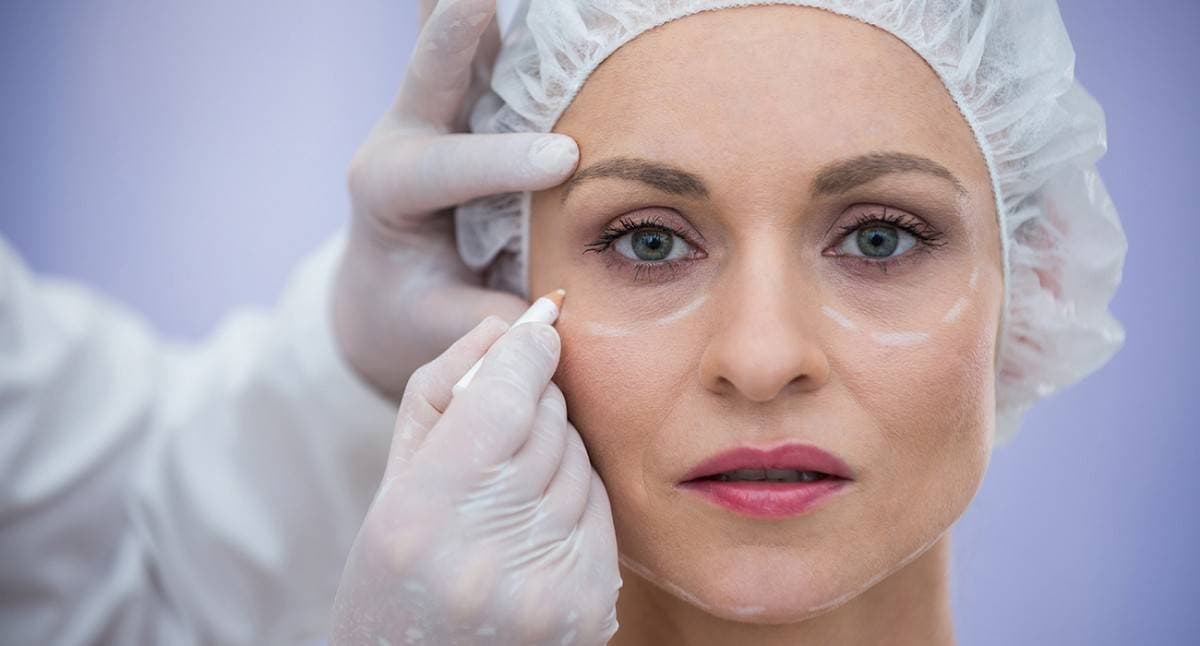
During consultation, the surgeon evaluates these factors and discusses the likely degree of refinement, potential limitations and recovery expectations.
How Long Does Rhinoplasty Swelling Last?
Rhinoplasty recovery takes place in stages. Swelling and bruising are generally more noticeable during the initial recovery period and gradually improve over the following weeks.
However, subtle swelling, particularly around the nasal tip, can persist for several months. Final definition may take a year or longer to develop, and some patients may require additional time depending on their anatomy and the procedure performed.
Patients should follow their surgeon's postoperative instructions, attend follow-up appointments and avoid judging the final result too early.
Recovery varies from person to person, so an individual timeline should be discussed with the treating surgeon.
Open vs Closed Rhinoplasty: Which Is Better?
Open and closed rhinoplasty are two approaches to accessing the nasal structures.
Open rhinoplasty involves a small incision across the columella, the tissue between the nostrils, along with incisions inside the nose. It can provide the surgeon with a direct view of the underlying structures.
Closed rhinoplasty uses incisions placed inside the nostrils. In suitable cases, it allows the surgeon to make structural changes without an external columellar incision.
Neither approach is universally better. The choice depends on the patient's anatomy, the changes required, the complexity of the procedure and the surgeon's clinical judgement.
The most appropriate technique is the one that safely addresses the patient's specific concerns.
Can Rhinoplasty Improve Breathing as Well as Appearance?
Rhinoplasty primarily addresses the shape and structure of the nose. When a patient also has nasal obstruction, structural problems such as a deviated septum may need to be evaluated.
In selected cases, cosmetic rhinoplasty may be combined with functional nasal surgery. These procedures have different objectives, and not every cosmetic rhinoplasty improves breathing.
A proper assessment of nasal function is important before surgery, especially for patients who experience persistent difficulty breathing through the nose.
What Should You Discuss Before Rhinoplasty?
Before deciding on surgery, patients should discuss:
The specific nasal features they wish to change.
Whether their goals are achievable given their anatomy.
The recommended surgical approach and available alternatives.
Expected recovery time and the possibility of prolonged swelling.
Potential risks, complications and limitations.
The surgeon's qualifications, experience and postoperative follow-up arrangements.
A thorough consultation helps patients make an informed decision without unrealistic expectations.
Frequently Asked Questions About Rhinoplasty
Is rhinoplasty suitable for people with thick nasal skin?
Thick nasal skin does not automatically rule out rhinoplasty. Suitability depends on the overall nasal anatomy, health, goals and the surgeon's assessment.
Can rhinoplasty make a bulbous nose look smaller?
Rhinoplasty may refine the nasal tip and alter its proportions. The extent of visible change depends on the underlying cartilage, skin thickness and other anatomical factors.
How long does it take to see the final rhinoplasty result?
Initial changes become visible as early swelling improves, but subtle swelling can last for months. Final definition may take a year or longer in some patients.
Does rhinoplasty leave a scar?
Closed rhinoplasty uses internal incisions. Open rhinoplasty includes a small incision across the columella, which usually heals to become less noticeable over time. Healing and scar visibility vary between individuals.
How do I choose a rhinoplasty surgeon in Delhi?
Look for a properly qualified surgeon with relevant rhinoplasty experience, clear communication about risks and realistic outcomes, appropriate surgical facilities and structured postoperative care. Verify credentials and discuss your individual needs during consultation.
Considering Rhinoplasty in Delhi?
Every nose has a different structure, and successful planning begins with understanding those differences. Whether your concern is a bulbous nasal tip, nasal asymmetry, a prominent bridge or breathing difficulty, a personalised assessment can help clarify the options available to you.
Book a consultation with Dr. Sukhbir Singh at Resplendent Aesthetics, Delhi, to discuss your concerns, understand the potential benefits and limitations of rhinoplasty, and explore an approach suited to your individual anatomy.
Rhinoplasty is a surgical procedure with potential risks and limitations. Results vary between patients, and suitability can only be determined after an appropriate clinical assessment.
This article is general information, not medical advice. Suitability, risks and results differ from person to person and can only be assessed in a consultation.