
Masculine Chest Contour
A flatter chest and a more masculine appearance.
Gynecomastia causes enlarged breasts in men and boys, sometimes with pain or sensitivity around the nipples. It can be linked to hormonal imbalance, a medication or a medical condition—and it is treatable. Surgery removes excess glandular tissue and fat for a flatter, more masculine chest.
 Male Breast Reduction
Male Breast Reduction
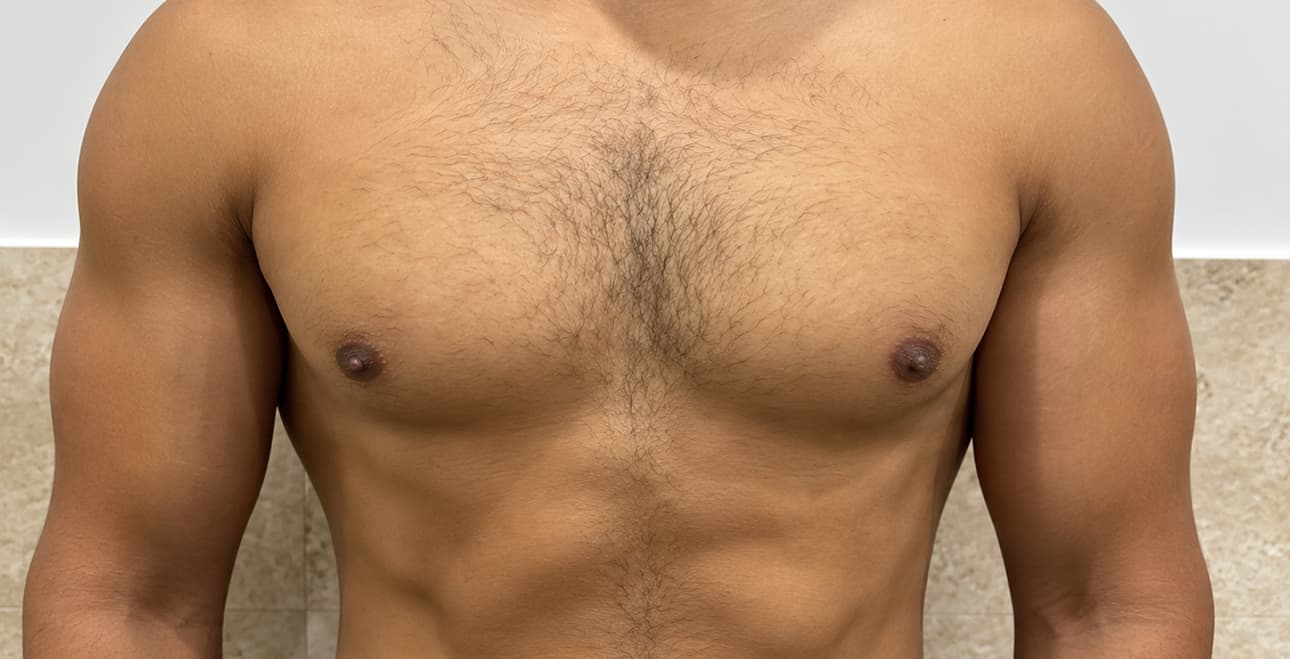
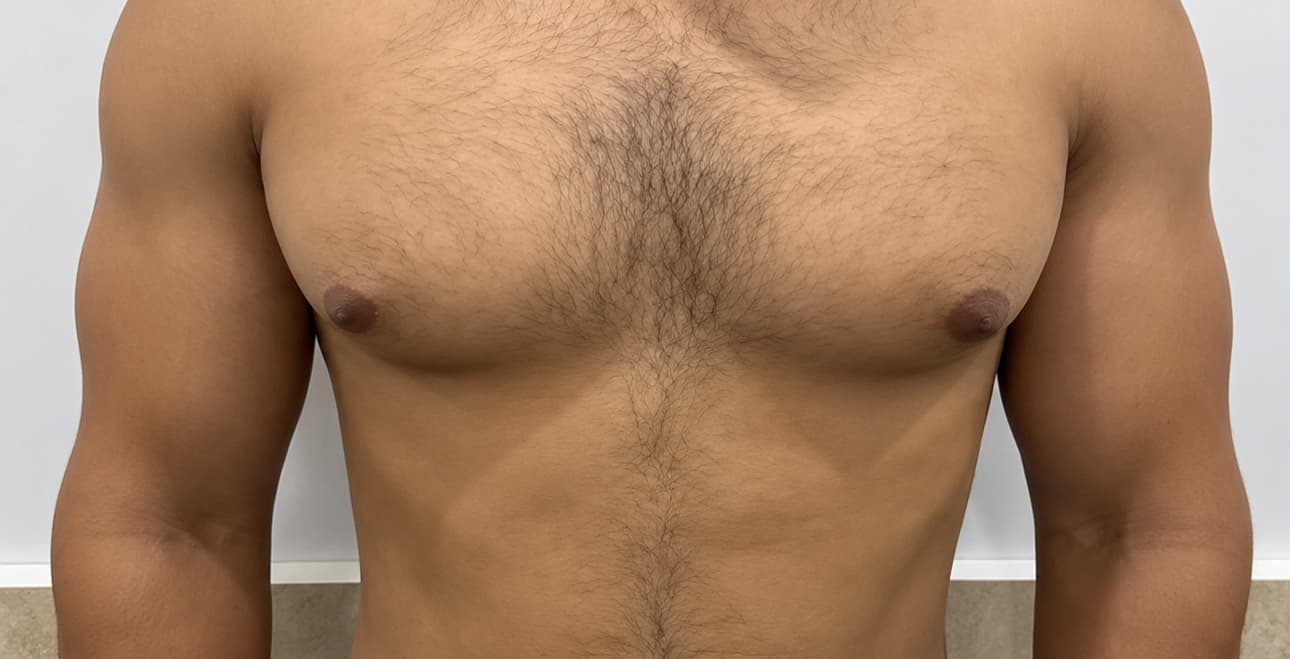
Drag the slider to compare chest contour before and after male breast reduction.
Results vary from person to person; this pair is not a prediction of your outcome.
A flatter chest and a more masculine appearance.
Removes excess tissue that can cause tenderness and chafing.
Can ease anxiety and social discomfort about your chest.
Clothes fit better, without self-consciousness.
Swimming, sport and other activities become easier.
Tiny incisions and aftercare keep scars minimal.
Excess glandular tissue and fat are removed to achieve a flatter chest contour.
An in-depth review of your medical history and a physical examination prepare you for surgery.
On the day, local anaesthesia is given and small incisions are made around the areola or under the arm.
Excess fat is removed with liposuction, the firm glandular tissue is excised, and the chest is reshaped for a natural finish.
Incisions are closed, you are monitored, then go home. Healing is checked at follow-up visits as swelling settles.
Surgery is best for men who are past puberty, physically healthy with a stable weight, and have realistic expectations. If you are overweight, losing weight may resolve enlarged breasts first.
Glandular chest tissue that remains despite fitness and diet.
Usually after about 18–20, once pubertal changes have settled.
Healthy and not overweight, with realistic expectations.
Indicative Cost
Confirmed at ConsultationHave your chest assessed by Dr. Sukhbir Singh at R-9, Basement, Greater Kailash Part 1, New Delhi - 110048.